
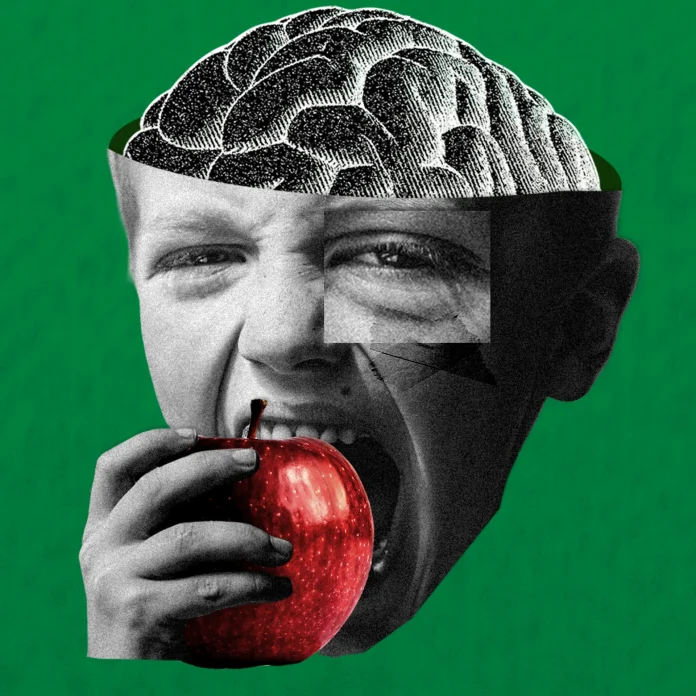
Eating fibre offers numerous health benefits, including improving overall health, lengthening lifespans, and protecting the brain. Despite these advantages, many people still don’t consume enough of this essential nutrient.
A diet rich in wholegrains, fruits, pulses, nuts, and seeds can significantly benefit both the body and the brain. Research shows that fibre strengthens the microbiome, influencing the gut-brain axis—the communication channel between the gut and brain—which can help slow symptoms of cognitive decline.
Karen Scott, professor of gut microbiology at the Rowett Institute, University of Aberdeen, says that increasing fibre intake is one of the most impactful dietary changes for cognitive health. A fibre deficit, she warns, can lead to significant health issues.
Why Fibre is Essential
Fibre is a carbohydrate that our digestive enzymes cannot easily break down. Most fibre passes through the gut largely unchanged. It adds bulk to stools, helps us feel fuller for longer, and leads to a gradual rise in blood sugar levels.
Eating more wholegrains, as opposed to refined grains, has been shown to result in a lower BMI and less belly fat. A high-fibre diet also has benefits for lifespan. John Cummings, emeritus professor of experimental gastroenterology at the University of Dundee, points to studies showing that individuals who eat more fibre have a 15-30% reduced risk of mortality compared to those who eat less.
Fibre and the Gut Microbiome
Fibre’s relationship to the gut microbiome is crucial. As the gut bacteria digest fibre, they produce short-chain fatty acids, including acetate, propionate, and butyrate. These metabolic products provide energy for cells and are linked to reduced mortality.
Butyrate, in particular, is important for brain health. It helps maintain the gut lining, reducing the risk of harmful substances entering the bloodstream and affecting the brain. The more fibre a person consumes, the more butyrate is produced, which can enhance cognitive function and protect against cognitive decline.
The Brain Benefits of Fibre
A high-fibre diet is now believed to be essential for brain health. Research shows that a diet rich in fibre can lower the risk of dementia. A 2022 study involving over 3,700 adults found that those with higher fibre intake had a lower risk of developing dementia.
In a separate study of adults over 60, those consuming more fibre had improved cognitive function. Recent trials have shown that taking prebiotic fibre supplements can improve cognitive test results after just three months.
Researchers are also examining how the gut microbiome affects mental health. Fibre-producing bacteria have been linked to better wellbeing and a reduction in mental ill-health, including depression and anxiety.
How to Eat More Fibre
Increasing fibre intake is relatively easy, as it can be found in a variety of foods, including fruits, vegetables, nuts, and legumes. Swapping white bread for whole grain and choosing wholegrain cereals are simple ways to boost fibre intake.
Adding plant-based foods, such as beans, peas, and lentils, is another effective strategy. Blending canned chickpeas into pancake batter or adding peas to pasta dishes are just a few examples.
Snacking on popcorn, apples, seeds, and nuts can further improve fibre intake. You can also opt for fibre supplements if chewing or swallowing is a challenge, especially for individuals with conditions like Parkinson’s disease.
Experts agree that increasing fibre intake is one of the most beneficial changes people can make to improve their overall health.
Read Also
Black Pepper and Olive Oil: Health Benefits
Glass of Orange Juice: A Nutritional Boost
Nutritional Benefits of Foods You Should Know
Fibre is a crucial nutrient that offers significant health benefits, including brain protection, longevity, and better overall health. By increasing fibre intake, we can improve our health and cognitive function, protect the brain, and reduce the risk of several chronic diseases.

