
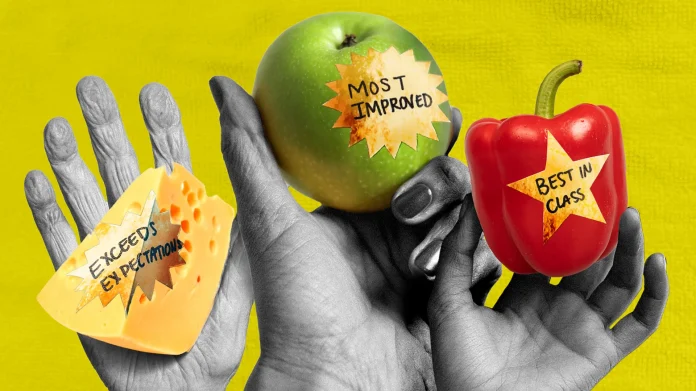
The Changing Nutritional Needs as We Age
It’s widely accepted that a balanced diet is crucial for health. However, our nutritional needs change as we age, with different life stages requiring different food priorities. From infancy through to old age, what we eat and how it affects our health evolves. Let’s explore how the nutritional benefits of foods shift across the years.
Nutritional Needs in Childhood
In childhood, food plays a critical role in building the body and the brain. Children have high energy demands and need nutrient-dense foods. This is why iron, iodine, calcium, and a wide range of vitamins are essential during these years. According to nutritional scientist Federica Amati, food is crucial for immunity, brain development, and muscle growth. To meet these needs, children should eat plenty of fruits, vegetables, whole grains, beans, lentils, and healthy fats, such as those from nuts and seeds.
Calcium and vitamin D are particularly important for bone development, and eating foods like milk, yogurt, cheese, and fortified plant drinks is key. These nutrients lay the foundation for strong bones and can reduce the risk of osteoporosis later in life.
Teen and Young Adult Nutritional Needs
During the teenage years and into early adulthood, growth slows, but the body still requires a solid nutritional foundation. Protein, calcium, vitamin D, and iron (especially for menstruating women) are crucial during this stage. Adolescents are also prone to developing habits that affect their long-term health. Amati suggests that a plant-based diet, rich in fruits, vegetables, whole grains, and plant-based protein, supports overall health.
In addition, there’s growing evidence that what we eat during these years can influence mental health. Diets high in ultra-processed foods and low in plant-based foods have been linked to higher rates of depression and anxiety. A Mediterranean diet, which is rich in vegetables, legumes, and olive oil, can offer protective benefits for both physical and mental health.
Dietary Shifts in Middle Age
As we move into middle age, we begin to focus on sustaining our health for the years ahead. For women approaching menopause, the risks of bone density loss and sarcopenia (age-related muscle loss) become more pronounced. Increasing protein intake, especially from plant-based sources, can help maintain muscle mass. Omega-3 fats found in oily fish, such as salmon and mackerel, can help reduce cardiovascular risks.
Elizabeth Williams, a professor of human nutrition, notes that a diet rich in fruits, vegetables, whole grains, and unsaturated fats is associated with healthy aging. During this stage, we need to shift our focus toward heart health, bone density, and muscle maintenance to combat the effects of aging.
Nutritional Priorities in Later Life
In old age, the body’s energy requirements decrease, but nutrient needs remain high. Nutrients like calcium and vitamin D are crucial to maintaining bone health and preventing osteoporosis. Jane Murphy, a dietitian specializing in aging and dementia, emphasizes the importance of quality protein in older age. As we age, muscle mass and strength decline, and protein helps combat this process.
A balanced diet that includes carbohydrates, unsaturated fats, and vitamins and minerals is essential for maintaining strength and preventing sarcopenia. It is also important to have a diverse and healthy gut microbiome, which can help in nutrient absorption and may prevent muscle loss in older adults. Foods high in fiber and polyphenols, such as fruits and vegetables, support a healthy gut microbiome.
Supplements and Aging
In later life, some individuals may benefit from supplements, especially if they are not getting sufficient nutrients from food. Vitamin D and prebiotic supplements, such as inulin, have been shown to improve cognition and overall health in older adults. Prebiotics help support beneficial gut bacteria, which may also protect against cognitive decline and other age-related conditions.
Read Also
Workouts Aren’t Getting Easier
CDC Vaccine Schedule Changes
The changing nutritional needs of our bodies from childhood through to old age remind us that a balanced diet is not one-size-fits-all. By adjusting our eating habits to meet these evolving needs, we can ensure better health and well-being at every stage of life.

