
5 Reasons Your Workouts Aren’t Getting Easier
You’ve committed to exercising more consistently, but instead of feeling stronger, your workouts remain just as difficult each week. This disconnect is common and can leave many frustrated and demotivated. If your workouts aren’t getting easier, it’s time to look at the overlooked factors that might be holding you back.
1. Lack of Mobility Is Causing Strain
If your fitness program focuses on strength or intensity without addressing mobility, it can create an imbalance. When your joints lack the necessary range of motion, your body has to work harder, leading to strain and compensatory movements. This extra effort can make your workouts feel harder.
What to do: Mobility training isn’t just about stretching; it’s about improving the usable range of motion in all directions. Include mobility exercises that target all three planes of motion—sagittal (forward/backward), frontal (side-to-side), and transverse (rotational)—before and during your workouts to help improve joint movement. If you have significant mobility imbalances, consider seeing a physical therapist for targeted corrective exercises.
2. Misalignment Is Compromising Your Movement
When your body compensates for poor movement patterns, alignment suffers. For example, shallow chest breathing and improper pelvic alignment weaken your core, making exercises feel more challenging. Misalignment forces surrounding muscles to work harder, leading to fatigue and reduced power.
What to do: Before starting any weight-bearing exercises, reset your alignment by fully exhaling and stacking your ribs over your pelvis. This simple movement helps restore balance and improves posture, so your muscles don’t have to rely on compensations during movement.
3. Protective Tension Is Working Against You
When your body detects instability in your movements, it activates protective tension to prevent injury. This tightness, often felt in the neck, hips, and lower back, can reduce your range of motion and increase the effort needed to perform exercises.
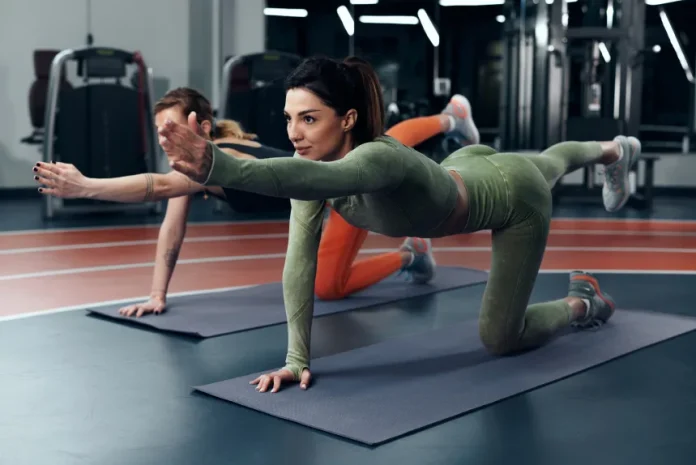
What to do: Instead of just stretching, focus on full-body core exercises that emphasize slow, controlled movements and deep breathing. Exercises like bird dogs and dead bugs strengthen your body’s support system, helping release tension and improve overall stability.
4. Your Breathing Is Depleting Your Energy
Shallow chest breathing and breath-holding often accompany protective tension, increasing energy demand during exercise. Inefficient breathing can limit your ability to move freely, forcing your muscles to compensate for stability, which makes workouts feel harder.
What to do: Focus on steady nasal breathing during warm-ups and complete exhales during exertion. If your breathing becomes shallow or rushed, reduce the intensity of your exercises until your breathing stabilizes. Incorporate deep, controlled breaths into your cooldowns to help your nervous system shift into recovery mode.
5. Insufficient Recovery Is Holding You Back
When your body doesn’t recover properly, progress slows. Recovery allows muscles and connective tissues to adapt, promoting muscle growth and fitness improvements. Without enough recovery, you may experience persistent stiffness and soreness, leading to stagnation in your workouts.
What to do: Recovery is an active process that includes light mobility, mind-body practices, proper sleep, nutrition, and stress management. Even one low-intensity session per week focused on breathing, mindfulness, and gentle movement—such as yoga or tai chi—can significantly improve your overall workout performance.
Putting It All Together
These factors don’t exist in isolation. Poor mobility can lead to misalignment, which creates protective tension and disrupts your breathing patterns. These issues ultimately make your workouts feel harder. Addressing the root causes of these limitations will help you make progress and feel stronger over time.
By recognizing and fixing these common roadblocks, you can make your workouts more efficient and start seeing the results you’ve been working toward.
Read Also
Global Wellness Traditions: Insights from Around the World
Fibre Health Benefits: Why You Need More in Your Diet
Paracetamol in Pregnancy: Is It Safe?

