
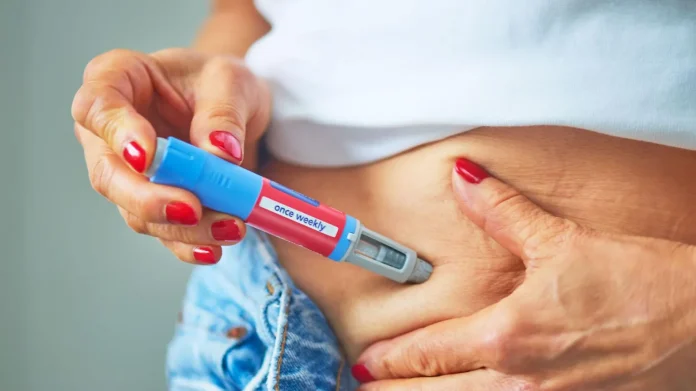
A recent study published in the British Medical Journal reveals that people who stop using weight-loss injections like Mounjaro or Wegovy regain their lost weight four times faster than those who stop dieting and exercising.
The research shows that people who lose a significant amount of weight using these injections—around 20% of their body weight—regain an average of 0.8 kg per month after stopping. This means they return to their pre-treatment weight in about a year and a half.
“People buying these need to be aware of the risk of fast weight regain when the treatment ends,” says Dr. Susan Jebb from Oxford University. She notes that these findings are based on medical trials, not real-life data, and more long-term studies are needed.
Read Also
Free Diabetes Tests: The Importance of Regular Monitoring
Essex Surgery Suspended: What You Need to Know
Researchers reviewed 37 studies involving over 9,000 patients. They compared the effects of the newer GLP-1 weight-loss injections with conventional dieting and other weight-loss pills. Only eight studies specifically focused on the GLP-1 drugs, including Mounjaro and Wegovy, with the maximum follow-up period being one year after treatment. The results are therefore an estimate.
While weight-loss injections are effective for shedding pounds, users who stop them experience rapid weight regain. In contrast, people who diet and exercise experience slower weight regain—around 0.1 kg per month, although this can vary.
Lifestyle Changes Are Key for Long-Term Success
The NHS recommends weight-loss injections for those with obesity-related health risks. Doctors should also advise healthy eating and regular exercise to maintain weight loss.
Some argue that these treatments should be lifelong, considering the high risk of relapse. Users who stop the injections report overwhelming hunger, which leads to overeating. This mental switch is a challenge for many.
Dr. Adam Collins, a nutrition expert, says the injections affect the brain’s hunger regulation. GLP-1 mimics a natural hormone that controls appetite. Over time, artificial GLP-1 use lowers the body’s ability to produce its own. Once the treatment ends, the suppressed appetite returns, making overeating likely.
The Impact of GLP-1 on Weight Regain
Stopping GLP-1 treatment often leads to a return of appetite. If individuals have relied solely on the injections without adopting healthier habits, weight regain is more likely. Going off these medications can feel like a sudden change, making it difficult for users to manage their hunger and avoid overeating.
Dr. Collins adds that this challenge is especially difficult for those who have depended on GLP-1 to suppress their appetite without establishing dietary or behavioral changes.
Popularity of Weight-Loss Injections in the U.S.
In 2025, about 1.6 million UK adults used these weight-loss injections, primarily through private prescriptions. Additionally, 3.3 million people expressed interest in trying these injections, reflecting growing demand.
Professor Naveed Sattar from Glasgow University believes that weight-loss injections offer health benefits, even with short-term use. He suggests that being lighter for two to three years could slow joint damage and reduce risks to the heart and kidneys. However, he urges larger studies to confirm these benefits.
Ongoing Treatment and the Chronic Nature of Obesity
Pharmaceutical companies Eli Lilly (Mounjaro) and Novo Nordisk (Wegovy) stress the need for ongoing treatment to maintain weight loss and improve overall health. They compare this to managing other chronic conditions like diabetes or hypertension.
Doctors can prescribe these treatments to those with obesity-related health issues, but NHS guidelines limit the prescriptions. Mounjaro has no set time limit, while Wegovy can only be prescribed for two years.

