
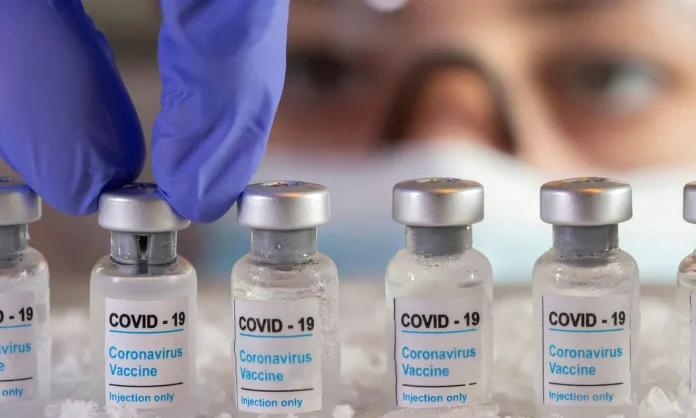
A COVID vaccine report blocked from publication at the U.S. Centers for Disease Control and Prevention has raised fresh concerns about transparency in public health decision-making. According to a report by The Washington Post, the study, which evaluated vaccine effectiveness during the past winter, was prevented from appearing in the agency’s flagship scientific journal.
The findings suggested that COVID-19 vaccines reduced emergency department visits and hospitalizations among healthy adults by roughly half. This level of protection, while lower than earlier phases of the pandemic, still indicates a meaningful benefit in limiting severe outcomes.
However, the decision to halt publication has sparked debate among health experts. Many argue that withholding such data could undermine public trust, especially at a time when vaccine guidance continues to evolve. The COVID vaccine report blocked decision comes amid broader tensions over how scientific evidence is communicated to the public.
Officials have not provided a detailed explanation for the move. The U.S. Department of Health and Human Services did not respond to requests for comment, and independent verification of the report remains limited. Nevertheless, the situation highlights growing scrutiny of how federal agencies handle scientific research.
At the center of the controversy is Robert F. Kennedy Jr., whose leadership has drawn criticism from public health professionals. He has repeatedly questioned vaccine safety and efficacy in the past, positions that have shaped ongoing debates around federal vaccine policy. As a result, decisions linked to his oversight attract heightened attention.
The COVID vaccine report blocked case follows a significant policy shift last year. A panel of vaccine advisers revised earlier recommendations for COVID-19 shots. Instead of broad guidance, they advised that vaccination decisions should occur through shared discussions between patients and healthcare providers.
Supporters of this approach argue that it respects individual circumstances and medical history. However, critics warn that it may reduce overall vaccine uptake, particularly if access to clear, evidence-based information becomes limited.
Public health experts stress that transparency remains essential. When agencies publish data openly, they allow independent researchers to assess findings and build confidence in health recommendations. Conversely, when reports are withheld, it can create uncertainty and fuel skepticism.
The COVID vaccine report blocked development also comes at a time when vaccine fatigue has grown among the public. Many individuals now weigh risks and benefits differently compared to earlier stages of the pandemic. Therefore, access to updated and accurate data plays a crucial role in informed decision-making.
In addition, the evolving nature of the virus complicates the picture. Variants continue to influence transmission patterns and vaccine performance. Consequently, ongoing research is necessary to guide policy and clinical practice.
Experts note that even partial protection against severe illness can significantly reduce pressure on healthcare systems. Lower hospitalization rates help maintain capacity and improve outcomes for vulnerable populations. This context makes the findings of the blocked report particularly relevant.
The broader issue extends beyond a single study. It reflects a tension between scientific independence and policy direction. While governments must balance multiple priorities, health agencies traditionally rely on open data sharing to maintain credibility.
Looking ahead, the controversy surrounding the COVID vaccine report blocked case may prompt renewed calls for transparency and oversight. Policymakers, researchers, and the public will likely demand clearer processes for how scientific findings are reviewed and released.
Ultimately, trust remains the cornerstone of effective public health strategy. Without it, even the most robust medical interventions can struggle to achieve their intended impact. Ensuring that evidence remains accessible and subject to scrutiny will be critical as the world continues to navigate the long-term challenges of COVID-19.

