
The Nigerian Association of Nephrology (NIAN) has issued a stark warning. At least 10% of Nigerians—about 24 million people—are living with chronic kidney disease in Nigeria. Consequently, this highlights a fast-growing public health crisis that demands immediate attention.
Prof. Olugbenga Awobusuyi, President of NIAN, shared these findings during the 38th Annual General Meeting in Maiduguri, Borno State. He described the situation as “a matter of serious national concern.” Therefore, he urged all three tiers of government to take coordinated action without delay.
According to data presented at the conference, chronic kidney disease in Nigeria affects one in ten adults. Prof. Awobusuyi emphasized that this reflects an emerging healthcare emergency. Fortunately, he noted that early detection can significantly improve patient outcomes.
“When caught early, much can be done,” he explained. “However, if missed, treatment becomes extremely costly.” He warned that late diagnosis often pushes families into financial ruin and worsens health outcomes.
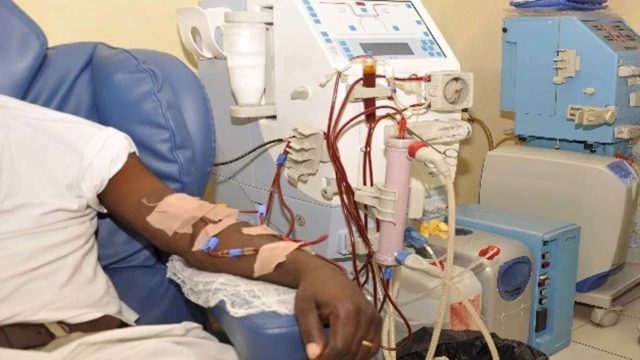
To address this growing burden, he strongly urged all 36 states to establish more dialysis centres. Currently, federal facilities alone cannot meet demand. Although Nigeria has over 200 dialysis units, only about 800 machines are operational nationwide—far fewer than needed.
That said, he commended states already investing in kidney care infrastructure. Their efforts not only provide critical relief but also serve as models for others to follow.
Importantly, the conference brought together key stakeholders—including government officials, health workers, civil society groups, traditional rulers, and journalists. Together, they explored ways to raise public awareness and strengthen kidney care across hospitals.
Prof. Awobusuyi stressed that tackling chronic kidney disease in Nigeria requires more than just equipment. Specifically, it demands systemic reforms: closing gaps in primary healthcare, expanding screening programs, and building a unified national response.
In addition, participants reviewed recent research and emerging treatment trends. They also examined the broader public health challenges of managing kidney disease within the Nigerian context.
In conclusion, while the numbers are alarming, progress remains possible. With early detection, strategic investment, and multi-level collaboration, Nigeria can reduce the burden of chronic kidney disease in Nigeria—and prevent countless cases of avoidable suffering.
READ: British-Built Wearable Aims to Transform Dengue Fever Care in Vietnam

