
In today’s world, it can be overwhelming to choose the right foods. With so many options, it’s hard to know which nutrients to prioritize. Should you focus on protein, fiber, or vitamins? To make it easier, experts have analyzed over 1,000 raw foods to determine which ones offer the best balance of essential nutrients. Here are seven highly nutritious ingredients that should be added to your next shopping list.
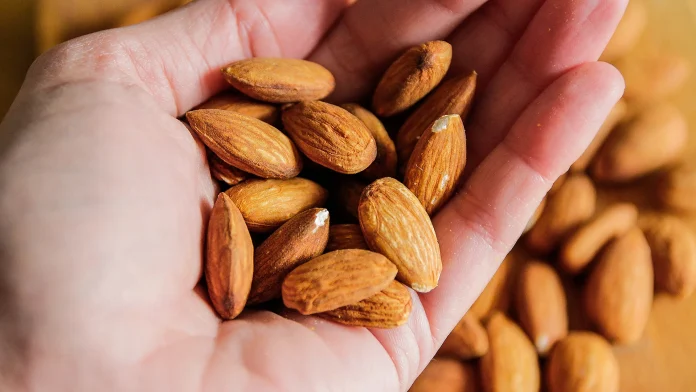
Almonds: A Heart-Healthy Snack
Almonds are packed with monounsaturated fatty acids and vitamin E, which are beneficial for heart health. Research has shown that consuming almonds can lower “bad” cholesterol levels while increasing “good” cholesterol. In a 12-week study, adults who ate 320 calories of almonds daily experienced better gut health and less inflammation compared to those who ate crackers.
Moreover, a 2022 study found that eating almonds, either whole or ground, boosted the intake of healthy fats, fiber, and potassium. The study also found an increase in butyrate, a short-chain fatty acid that promotes gut health. Individuals who ate whole almonds even had an increase in bowel movements compared to other groups.
Swiss Chard: A Nutrient-Packed Green
Swiss chard is a leafy vegetable full of betalains, which have neuroprotective qualities. This makes Swiss chard valuable for protecting the nervous system, especially as we age. It’s also rich in nitrates that help the body produce nitric oxide, improving blood flow and lowering blood pressure.
The vegetable contains powerful antioxidants, including quercetin, kaempferol, and isorhamnetin, which reduce inflammation and protect cells. Swiss chard is also an excellent source of magnesium, vitamin K, and lutein. For optimal nutrient intake, it’s best not to overboil Swiss chard, as excessive boiling can deplete some of its nutrients.
Watercress: A Leafy Green for Immune Support
Watercress, a member of the brassica family, is loaded with B vitamins, calcium, magnesium, and polyphenols. These nutrients help support eye health and boost the immune system. Watercress also has anti-inflammatory properties, which can reduce the risk of heart disease and diabetes.
The vegetable contains phenethyl isothiocyanate, a compound that slows down cancer cell growth. Watercress was even named the top antidepressant plant in a 2018 study due to its high nutrient density. Its unique combination of vitamins and minerals makes it a valuable addition to your diet.
Read Also
Rhinovirus-Asthma Link Explains Why Colds Hit Some Harder
Nipah Virus Cases Detected in India as Health Officials Alert
Genetic Longevity Plays Bigger Role in Lifespan, Study Finds
Beetroot Leaves: Often Overlooked, but Nutrient-Rich
While most people focus on the beetroot root, the leaves are also full of beneficial compounds. Beetroot greens are rich in calcium, iron, vitamin K, and B vitamins. These nutrients, along with phenolic compounds, provide antioxidant activity.
A 2019 study showed that consuming freeze-dried beetroot leaves for four weeks reduced LDL cholesterol in participants. Research also found that the leaves’ antioxidants helped protect DNA from oxidative damage. Beetroot leaves are a nutritious, yet often discarded, part of the plant that can be included in salads, soups, or smoothies.
Chia Seeds: A Small Seed with Big Benefits
Chia seeds are tiny but packed with fiber, protein, omega-3 fatty acids, and essential vitamins. Regular consumption of chia seeds can help protect the heart and liver. The seeds also reduce blood pressure, lower the risk of type 2 diabetes, and improve cholesterol levels.
However, it’s important to note that whole chia seeds might not offer the full nutritional benefit. A study from the University of Adelaide found that grinding chia seeds makes the nutrients more accessible. Eating them whole can prevent the body from absorbing the essential omega-3s and fiber, so it’s best to crush the seeds before consumption.
Pumpkin Seeds: Full of Healthy Fats and Antioxidants
Pumpkin seeds are loaded with polyunsaturated and monounsaturated fatty acids, which support heart health and protect against disease. These seeds also contain linoleic acid, oleic acid, and palmitic acid, which have been linked to improved heart health.
In a 2025 study, rats that were fed roasted pumpkin seeds showed improvements in cognition, memory, and anxiety levels. The roasting process seems to enhance the bioavailability of nutrients in pumpkin seeds. These seeds are a great addition to your diet, offering neuroprotective benefits along with heart-healthy fats.
Dandelion Greens: A Natural Anti-Inflammatory
Dandelion greens are often overlooked, but they’re a powerhouse of nutrients. Rich in phenolic acids, flavonoids, vitamins A, C, E, K, and B, and minerals like calcium and magnesium, dandelion greens are great for reducing inflammation and protecting against heart disease.
Studies have shown that dandelion greens can offer anti-inflammatory and even anti-cancer effects. They are widely consumed around the world in salads, teas, and soups. Adding dandelion greens to your diet can help improve your health and provide a natural remedy to reduce chronic inflammation.

