
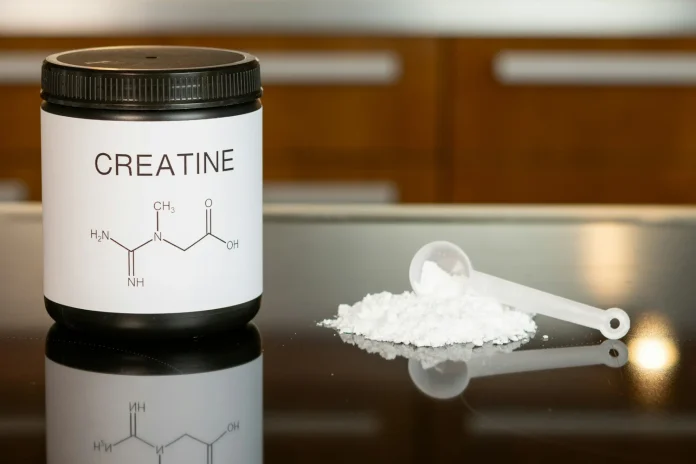
The creatine benefits for women extend far beyond fitness goals. Source: Expert insights from nutritionists Shah, Dr. Shirin Lakhani, and English, reported by health media outlets. Consequently, many women now consider this supplement for holistic health support.
Women naturally have lower creatine stores than men. Furthermore, dietary intake often falls short, especially for vegetarians. Shah notes this gap matters during hormonal transitions. Specifically, postpartum, perimenopause, and menopause phases challenge muscle mass, energy, and cognitive clarity. Therefore, creatine benefits for women become particularly relevant. The supplement supports cellular energy in both muscle and brain tissue.
Dr. Shirin Lakhani emphasizes menopausal and post-menopausal advantages. Creatine aids muscle preservation and bone health significantly. Additionally, cognitive clarity improvements may support mood regulation. However, researchers note more studies require publication for definitive conclusions. Nevertheless, early evidence suggests meaningful potential.
Many assume exercise is mandatory for creatine supplementation. However, experts clarify this belief lacks foundation. You do not need to work out to take creatine. Importantly, resistance training enhances effectiveness for muscle and bone goals. Consequently, pairing supplementation with strength activities yields optimal results.
Research on cognitive benefits continues emerging steadily. English cautions against oversimplified expectations. “It is not as straightforward as taking creatine, and you will focus better,” she explains. Furthermore, brain benefits may serve as valuable bonuses for those already using creatine for strength training. Therefore, managing expectations remains important.
Specific groups gain notable advantages from supplementation. Vegetarians and vegans often have lower dietary creatine intake. Elderly individuals may experience age-related declines in natural production. Additionally, people managing fatigue or energy issues find support. Those seeking cognitive performance under stress also benefit. Consequently, creatine benefits for women address diverse health needs.
Dr. Lakhani highlights aging women’s specific considerations. Perimenopause brings decreased bone health and strength naturally. Therefore, combining creatine with strength training builds muscle, joint, and bone resilience effectively. This approach supports long-term mobility and independence significantly.
Myths surrounding creatine require clarification urgently. The supplement is not a steroid. Furthermore, it will not cause bulky physique changes. English explains that physique results stem from training style, food intake, genetics, and time. Additionally, initial scale increases reflect water stored in muscles, not fat gain. Therefore, understanding these facts reduces unnecessary concerns.
Creatine is not reserved for bodybuilders exclusively. Moreover, long-term use proves safe for healthy individuals. English warns about confusion between creatine and creatinine. Creatine can affect a blood marker called creatinine. However, this differs significantly from actual kidney damage. Consequently, most fears stem from dated information or folklore.
Dietary sources provide natural creatine intake options. Red meat such as beef or lamb offers excellent content. Fish including salmon, tuna, or cod also supply creatine effectively. Shah notes dietary intake typically provides one to two grams daily. However, cooking processes can reduce creatine content significantly. Therefore, supplements help bridge nutritional gaps reliably.
Experts recommend creatine monohydrate as the standard supplement form. This version offers proven effectiveness and affordability consistently. Furthermore, extensive research supports its safety profile thoroughly. Consequently, beginners should start with this well-studied option primarily.
The creatine benefits for women discussion continues evolving. Emerging research explores additional applications regularly. Therefore, staying informed through credible sources remains valuable. Additionally, consulting healthcare providers ensures personalized guidance appropriately. This approach maximizes benefits while minimizing risks effectively.
Hormonal health considerations deserve special attention. Fluctuating hormones impact energy metabolism and cognitive function significantly. Consequently, creatine benefits for women during these transitions warrant recognition. Supporting cellular energy production may ease common challenges notably.
Cognitive performance applications show particular promise. Brain cells rely on efficient energy production for optimal function. Therefore, creatine supplementation may support mental clarity under demanding conditions. However, individual responses vary based on multiple factors. Consequently, realistic expectations enhance satisfaction with outcomes.
Practical implementation strategies improve supplementation success. Start with recommended dosages consistently. Furthermore, maintain adequate hydration throughout daily routines. Additionally, pair supplementation with balanced nutrition for comprehensive support. Therefore, these habits maximize creatine benefits for women reliably.
As research advances, understanding deepens continuously. The creatine benefits for women represent a growing field of interest. Ultimately, informed decisions support health goals effectively. Protecting long-term wellness requires combining evidence with personal needs thoughtfully.

