
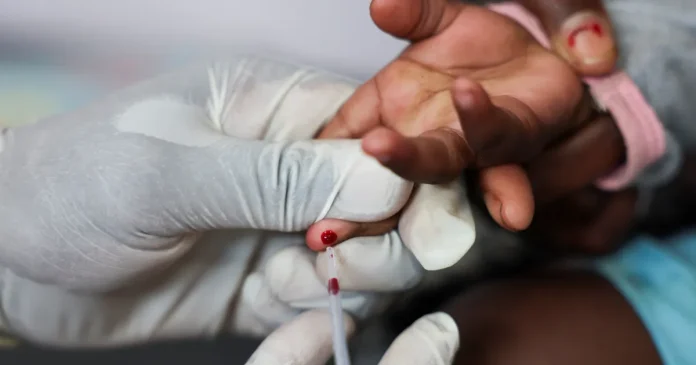
The HIV testing cuts debate is intensifying as new research warns that reducing funding could trigger a sharp rise in infections. At the same time, experts stress that consistent testing remains one of the most effective tools in controlling the spread of HIV.
HIV attacks the immune system and, if left untreated, can progress to AIDS. Therefore, early diagnosis plays a critical role in both treatment and prevention. When individuals know their status, they can begin therapy quickly and reduce the risk of transmitting the virus.
Researchers examined the potential impact of HIV testing cuts across multiple states in the United States. They focused on programmes funded by the Centers for Disease Control and Prevention, which support testing through local health departments and community organisations. These programmes help identify infections early and connect individuals to care.
Using a validated transmission model, the study simulated different funding scenarios. If CDC-supported testing were to stop in October 2025 and remain suspended, the model projects an additional 12,719 HIV infections by 2030. This represents a 10% increase compared to a scenario where testing continues without interruption.
Even more concerning, delays in restoring funding would still lead to long-term consequences. The model shows that even temporary HIV testing cuts could result in sustained increases in infections. Therefore, interruptions in testing services create ripple effects that extend beyond the initial funding gap.
The impact would not be evenly distributed. Some states rely more heavily on CDC-funded testing programmes than others. In addition, rural areas face higher risks due to limited healthcare access. As a result, these regions could experience the most significant increases in infections.
The findings highlight why testing remains central to prevention strategies. When individuals receive an early diagnosis, they can begin antiretroviral therapy. This treatment reduces the viral load to undetectable levels. Consequently, the risk of transmission drops to near zero.
However, HIV testing cuts disrupt this process. Without regular testing, many individuals remain unaware of their status. As a result, the virus can spread silently within communities. This delay in diagnosis increases both transmission rates and long-term health complications.
The study also underscores broader public health concerns. Reduced testing could lead to higher healthcare costs over time. Treating advanced HIV cases is more expensive than managing early-stage infections. Therefore, cutting funding may create financial pressures in the long run.
In addition, underserved communities would likely face the greatest impact. These populations often depend on publicly funded programmes for access to testing and care. Without these services, health disparities could widen further.
While the research relies on modelling rather than real-world data, it provides strong evidence of potential risks. Models allow researchers to predict outcomes based on current trends and known transmission patterns. Therefore, they offer valuable insights for policymakers.
The message remains clear. Sustained investment in testing infrastructure is essential. Public health systems depend on early detection to control infectious diseases. When testing declines, prevention efforts weaken.
Moreover, the HIV testing cuts discussion comes at a critical time. Global health systems continue to recover from recent disruptions. Maintaining consistent services is key to avoiding setbacks in progress.
Policymakers now face a complex decision. On one hand, budget constraints may push for funding reductions. On the other hand, the long-term consequences of increased infections could outweigh short-term savings.
Experts argue that prevention should remain a priority. Investing in testing not only saves lives but also reduces future healthcare costs. Therefore, maintaining funding is both a health and economic strategy.
Looking ahead, the findings emphasize the need for stability in public health programmes. Even short interruptions can create lasting damage. As a result, continuity in testing services must remain a core focus.
The HIV testing cuts issue ultimately highlights a broader principle. Effective public health relies on consistent action. When systems weaken, the consequences can spread quickly and widely.
In conclusion, maintaining strong HIV testing programmes is essential for controlling transmission. The research reinforces that early diagnosis and treatment remain the foundation of prevention. Without them, progress against HIV could reverse, putting more lives at risk.

