
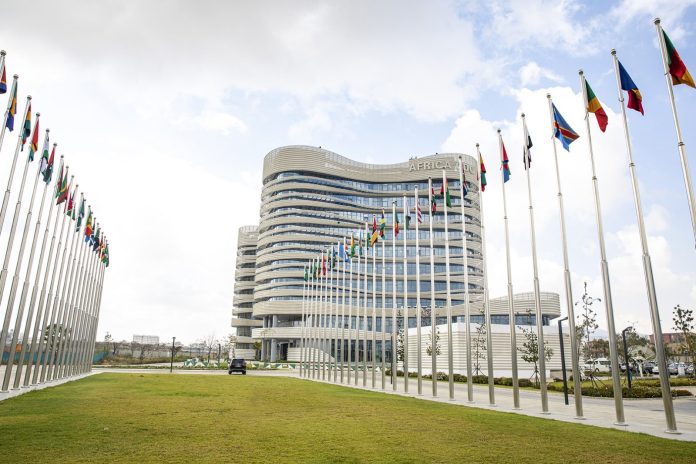
The Africa CDC FHI 360 partnership officially began today through a signed Memorandum of Understanding. Source: Official press release from Africa Centres for Disease Control and Prevention and FHI 360. Consequently, this collaboration strengthens health security across the continent. Furthermore, it advances workforce development and resilient public health systems.
Specifically, the MoU establishes a structured cooperation framework. This framework aligns with the Africa CDC Strategic Plan (2023–2027). Additionally, it supports the Africa Health Security and Sovereignty Agenda. The partnership also reinforces the Lusaka Agenda commitments. Therefore, both organizations share goals for sustainable, locally driven health systems.
Under this agreement, the Africa CDC FHI 360 partnership focuses on critical areas. Surveillance systems will receive strengthened support. Epidemic intelligence capabilities will expand significantly. Laboratory networks gain enhanced coordination. Health workforce capacity building becomes a priority. Emergency preparedness and response capabilities improve through joint efforts.
Digital transformation receives dedicated attention within this collaboration. Institutional capacity-building initiatives will accelerate across Member States. Moreover, integrated health systems promote sustainability and national ownership. These efforts reflect shared commitments to African health sovereignty.
Dr. Jean Kaseya, Africa CDC Director-General, emphasized mutual accountability. “Strengthening Africa’s health security demands partnerships built on results,” he stated. Furthermore, he noted this MoU supports AU Member States directly. Specifically, it helps build resilient, self-reliant health systems. These systems can prevent, detect, and respond to public health threats. Additionally, the partnership accelerates sustainable financing for preparedness.
FHI 360 brings decades of relevant experience to this collaboration. The global nonprofit operates in more than 50 countries. Consequently, it offers expertise in infectious disease control. Surveillance systems, laboratory strengthening, and data platforms represent core competencies. Workforce development programs further enhance the partnership’s value.
Dr. Tessie San Martin, FHI 360 CEO, highlighted shared vision. “For more than five decades, FHI 360 has worked shoulder to shoulder with African governments,” she explained. Importantly, she affirmed agreement with Africa CDC’s continental vision. A safer, healthier, prosperous Africa requires strengthened national capabilities. Specifically, detecting and responding to public health emergencies matters greatly. Furthermore, domestic health financing and workforce development form essential foundations.
The Africa CDC FHI 360 partnership aligns with global health security frameworks. Consequently, it reinforces country-led, government-to-government engagement. Integrated data systems receive priority attention. Private sector engagement strategies will expand. Performance-linked financing models strengthen accountability and sustainability. These approaches support long-term health system resilience.
Institutional capacity expansion remains a central goal. Innovation promotion occurs through joint initiatives. Moreover, Member States receive support advancing health security. Economic resilience and continental self-reliance benefit from this collaboration. Therefore, the partnership addresses both immediate and long-term health challenges.
Surveillance enhancement represents a key implementation area. Specifically, epidemic intelligence systems will improve data collection. Laboratory networks gain standardized protocols and equipment support. Additionally, health workforce training programs expand across regions. These efforts collectively strengthen early warning capabilities.
Emergency response capabilities receive targeted investment through this agreement. Consequently, AU Member States can react faster to health threats. Furthermore, coordinated resource deployment improves outbreak containment. Digital tools facilitate real-time information sharing among partners. This technological integration enhances decision-making speed and accuracy.
The Africa CDC FHI 360 partnership emphasizes national ownership principles. Therefore, interventions align with country-specific priorities and systems. Local stakeholders participate actively in program design and implementation. Moreover, sustainable financing strategies reduce dependency on external funding. These approaches ensure long-term program viability and impact.
Capacity building extends beyond technical skills development. Institutional strengthening includes governance frameworks and management systems. Consequently, health agencies operate more efficiently and transparently. Furthermore, performance monitoring mechanisms track progress toward shared goals. This accountability framework supports continuous improvement efforts.
Regional collaboration benefits significantly from this formalized partnership. Specifically, cross-border health threats receive coordinated attention. Information sharing protocols enhance regional surveillance networks. Additionally, joint training programs build cohesive response teams. These efforts strengthen continental health security architecture.
The Africa CDC FHI 360 partnership reflects evolving global health priorities. Consequently, it supports transitions toward country-led engagement models. Integrated data systems enable evidence-based policy decisions. Private sector partnerships unlock additional resources and innovation. Performance-linked financing ensures resources target measurable outcomes.
Implementation will occur through structured work plans and milestones. Regular progress reviews maintain momentum and accountability. Furthermore, adaptive management approaches allow course corrections as needed. Consequently, the partnership remains responsive to emerging health challenges. This flexibility enhances long-term effectiveness and relevance.
Community engagement forms an essential component of this collaboration. Therefore, public trust in health systems strengthens through inclusive approaches. Local leaders participate in awareness campaigns and program design. Moreover, culturally appropriate communication strategies improve health message reception. These efforts increase program acceptance and impact.
As this collaboration unfolds, measurable outcomes will demonstrate its value. The Africa CDC FHI 360 partnership represents a significant investment in Africa’s health future. Ultimately, strengthened health security benefits all continental residents. Therefore, sustained commitment from both organizations remains crucial for success. Protecting public health requires continued innovation, collaboration, and accountability.

