
India’s Nipah virus response has successfully contained an outbreak in West Bengal, with only two confirmed cases reported as of January 2026. The Ministry of Health moved swiftly to counter misinformation and implement public health measures.
The outbreak began in early January 2026 in the North 24 Parganas district near Kolkata, marking West Bengal’s first Nipah cases in nearly two decades. Initially, reports suggested up to five suspected infections, but the central government later confirmed only two cases. Authorities immediately identified and traced 196 close contacts. None have shown symptoms, and all tested negative for the virus.
Furthermore, the Indian government actively corrected false information. “Speculative and incorrect figures regarding Nipah virus cases are being circulated,” the health ministry stated, stressing the need to rely on official updates. This clear communication plays a critical role in the Nipah virus response, helping prevent panic and ensuring public cooperation.
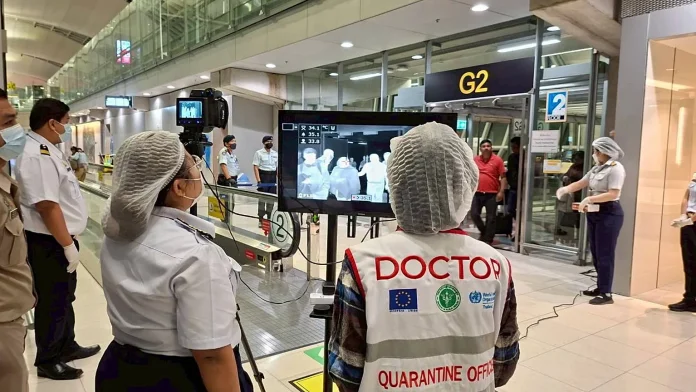
Meanwhile, neighboring countries strengthened their defenses. Thailand tightened airport screening for passengers arriving from West Bengal. Officials now assign special parking bays for these flights and require mandatory health declarations before immigration clearance. Similarly, Malaysia enhanced its preparedness by expanding health screenings at all international entry points, especially for travelers from at-risk nations.
This regional vigilance is essential. The World Health Organization classifies Nipah virus as a priority pathogen because of its high epidemic potential. The virus kills 40% to 75% of infected people, depending on the outbreak and available care. Since no approved vaccine prevents infection and no specific antiviral treatment exists, early detection and containment form the backbone of any effective Nipah virus response.
In India, the central government activated a national response. Health teams deployed to West Bengal now monitor the situation closely. Because the virus spreads from person to person—especially in healthcare settings—rapid contact tracing and isolation are vital. So far, these efforts have worked well, as the outbreak has not spread beyond the initial cluster.
Looking ahead, sustained surveillance and public awareness remain crucial. The current Nipah virus response shows India’s improved ability to manage emerging infectious threats. By acting quickly, communicating clearly, and coordinating with global partners, health authorities aim to stop the virus before it spreads further.
READ: Uganda’s Routine Immunisation Programme Tops 90% in 2025

