
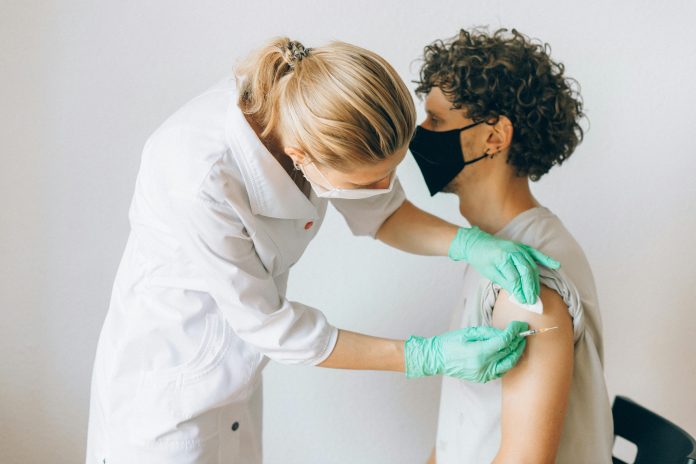
Measles cases are on the rise in South Carolina, putting the United States at risk of losing its measles elimination status. Since October, the state has recorded a staggering 646 cases of the highly contagious virus, with 88 new cases reported in just the past week. As the outbreak spreads, it has prompted widespread concerns about the effectiveness of the country’s vaccination efforts and the dangers posed by declining immunization rates.
Surge in Measles Cases: South Carolina’s Crisis
The current measles outbreak in South Carolina is the worst the state has seen in years. Health officials have confirmed that the majority of the cases are centered in Spartanburg, a town with a population of approximately 39,000. The situation has become dire, with over 500 individuals, including students from 15 schools, now in quarantine after being exposed to the virus.
This outbreak, which has been described as a public health crisis, follows similar outbreaks in other parts of the United States. Notably, Texas reported more than 700 cases in 2025, marking the worst measles outbreak the country has experienced in recent years. The current surge in South Carolina adds to a growing list of measles outbreaks across the nation, raising alarms that the US could lose its status as a country that has “eliminated” measles.
Measles: A Highly Contagious Virus
Measles is one of the most contagious diseases in the world, transmitted through the air via coughing and sneezing. Individuals who are unvaccinated have a high risk of contracting the virus if exposed, with up to 90% of those in close contact with an infected person becoming infected themselves. The virus can spread rapidly, particularly in areas with low vaccination rates, such as Spartanburg County, where the current measles vaccination rate for school-aged children is about 90%.
While measles itself may seem like a relatively mild illness to some, it can cause severe complications, including pneumonia, brain swelling (encephalitis), and in some cases, death. There is no specific treatment for measles, which makes vaccination even more crucial. The two-dose MMR (measles, mumps, and rubella) vaccine is proven to be 97% effective at preventing the disease and reducing the severity of infections.
The Impact of Anti-Vaccine Sentiment
The ongoing outbreak in South Carolina is part of a broader trend of rising measles cases in the United States. In recent years, the country has seen several outbreaks of the virus, which had been declared “eliminated” in the year 2000. This reversal is largely attributed to a growing movement of vaccine skepticism and misinformation that has undermined public confidence in vaccines.
Health experts agree that achieving herd immunity—a state in which enough people are immune to a disease to prevent its spread—is crucial to preventing outbreaks. For measles, experts recommend that at least 95% of the population be vaccinated in order to achieve herd immunity. Unfortunately, vaccination rates in some areas have fallen short of this target, creating fertile ground for outbreaks like the one in South Carolina.
The rise in measles cases has coincided with controversial messaging from figures like Health Secretary Robert F. Kennedy Jr., a prominent anti-vaccine advocate. Kennedy has made statements downplaying the severity of measles and questioning the safety of vaccines, despite overwhelming scientific evidence supporting their effectiveness. While he has at times endorsed the MMR vaccine, he has also propagated unsubstantiated claims about its potential dangers, further fueling public confusion and hesitation about immunization.
Measles Outbreaks and Public Health Challenges
The current outbreak in South Carolina comes at a time when the US has seen its worst measles outbreaks in decades. In addition to the ongoing surge in Spartanburg, states like Utah and Arizona have also reported significant increases in measles cases in recent months. Nationwide, more than 2,000 measles infections have been recorded over the past 12 months, with several fatalities, including three deaths in Texas.
These outbreaks highlight the vulnerability of the US public health system and the importance of robust vaccination campaigns. Public health experts warn that unless vaccination rates improve, the US could see even more widespread outbreaks of measles and other preventable diseases in the future. The Centers for Disease Control and Prevention (CDC) and other health organizations continue to emphasize the importance of immunization, but the challenge remains to combat the rising tide of vaccine hesitancy.
The Road to Rebuilding Public Trust in Vaccination
To combat the resurgence of measles, experts argue that restoring public trust in vaccines is essential. Public health campaigns must focus on addressing misinformation and educating people about the safety and effectiveness of vaccines. This effort requires not only the cooperation of health authorities but also the support of community leaders, educators, and healthcare professionals who can provide accurate information and counteract false claims.
Additionally, states and local governments must work to increase vaccination coverage, particularly in areas with lower immunization rates. Health officials in South Carolina and other states are working to contain the current outbreak by offering free vaccinations and promoting awareness about the importance of immunization.
Measles and the Global Health Implications
The US’s struggle with measles outbreaks is not just a domestic issue; it has global implications as well. Measles is a global health concern, and the rise in cases in one country can have ripple effects on others. The World Health Organization (WHO) has warned that outbreaks in developed countries, such as the US, could undermine progress made in eliminating measles worldwide.
Moreover, the loss of herd immunity in the US puts vulnerable populations, including infants, pregnant women, and those with compromised immune systems, at greater risk. These individuals rely on community-wide immunity to protect them from diseases like measles, and outbreaks threaten their health and safety.
Conclusion: A Call for Action
The surge in measles cases in South Carolina serves as a stark reminder of the importance of vaccination in protecting public health. The US must confront the growing challenge of vaccine misinformation and work to restore public trust in immunization. If the country is to maintain its status as a global leader in health and disease prevention, it must prioritize vaccines and work together to ensure that diseases like measles do not make a dangerous comeback.

