
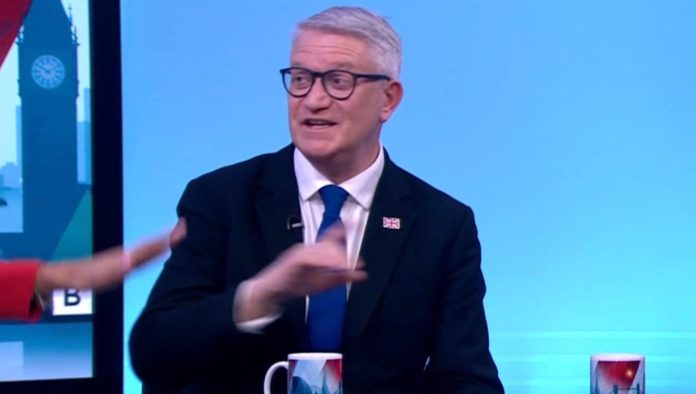
During an appearance on BBC Politics London, Rosindell was asked whether he would back a private insurance model to fund the NHS. His response was clear: “I don’t object to that,” signaling his willingness to embrace a system that departs from the current public funding model.
Rosindell emphasized the need for an efficient healthcare system, adding that the current system “doesn’t work” and needs a significant overhaul. His statement comes as a continuation of Reform UK’s healthcare stance, with the party advocating for more market-driven approaches.
In response, Labour MP Sarah Sackman commented, “We’ve heard it here first,” highlighting the potential political ramifications of such a shift in policy. This support for privatization is not a new stance for many on the political right, with figures like Nigel Farage, the former UKIP leader, also expressing openness to an insurance-based system for the NHS.
Farage, who has long been critical of the NHS being funded through general taxation, made similar remarks last year. He noted that replacing the NHS with an insurance-based system should be an ongoing debate for the nation. His party’s 2024 election manifesto even pledged a 20% tax relief on private health insurance policies if they came to power, a policy that has been met with strong criticism from Health Secretary Wes Streeting.
Streeting condemned the Reform UK policy, arguing that it would cost taxpayers £1.7 billion and effectively provide a “tax cut for the wealthiest.” Critics argue that such proposals could deepen health inequalities and place a larger financial burden on the general public.
Andrew Rosindell, who recently defected from the Conservative Party to Reform UK, became the newest member of the party. He responded to calls for him to call a by-election, stating that his constituents were more interested in a general election. “Yes, I’m happy to have an election but let’s have that general election,” he said. Despite the reminder that the next general election is still years away, Rosindell maintained his position, suggesting that the need for change in leadership should not be delayed.

