
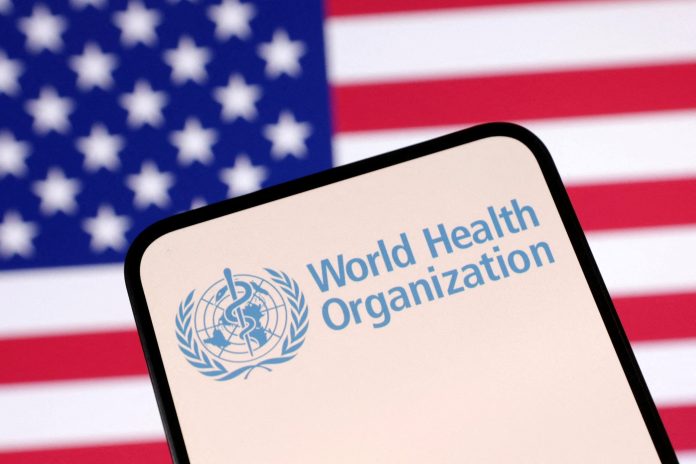
After years of tension, the US withdrawal from the World Health Organization (WHO) is now a reality. The decision, which began under President Trump’s administration, has now formally taken effect, leaving a significant $260 million debt unpaid for 2024 and 2025. As the WHO faces budget deficits, experts warn that global health defense against future threats could be severely weakened, particularly in the areas of pandemic preparedness, health equity, and non-communicable diseases.
This move comes after Trump’s executive order in his first term to leave the WHO, citing dissatisfaction with the organization’s handling of the COVID-19 pandemic and the financial contribution of the US compared to other nations, like China. The Biden administration initially reversed the withdrawal but now faces the financial repercussions of the exit as the US formally withdraws from the WHO and its related commitments.
The Impact of US Withdrawal on Global Health Efforts
The WHO is facing a major budget shortfall due to the US withdrawal, which had been one of its largest financial contributors, covering about 18% of the organization’s total budget. With the $260 million owed for the next two years still unpaid, the organization is now struggling to fund key global health initiatives, including vaccination campaigns, maternal and child health, and non-communicable disease prevention. These programs are already under significant stress due to ongoing funding challenges, exacerbated by the US exit and the dismantling of USAID by the Trump administration in his second term.
Tedros Adhanom Ghebreyesus, the WHO Director-General, has openly expressed his disappointment, calling the US withdrawal a loss not only for the US but for the global community. He emphasized that the WHO’s role is crucial for combating global health crises and that the lack of US support could impede the world’s ability to effectively prepare for future health emergencies.
Trump’s Criticism and the Bigger Picture: A Shift Away from Global Cooperation
Trump’s criticism of the WHO centered around what he described as bureaucratic inefficiency, failure to push through reforms, and the undue political influence of member states. Trump argued that the US was over-contributing financially compared to its global peers, but many public health experts countered that the US share was in line with the country’s proportion of global GDP.
While Trump’s withdrawal from the WHO is significant, it is part of a broader reduction in US participation in United Nations and UN-affiliated programs. Over 30 UN agencies have seen the US pull away from initiatives on climate change, democracy, gender equality, and violence against women and children. Critics argue that this shift will isolate the US and make it more vulnerable to global health threats, as it undermines international cooperation in tackling issues that transcend borders.
Future Implications for Global Health
The US departure from the WHO presents long-term challenges for global health preparedness, as funding and collaborative initiatives are compromised. Many African countries and developing nations rely heavily on WHO initiatives for support with disease outbreaks and health infrastructure development. The reduction in US contributions may lead to deeper disparities in access to essential health services, especially in regions that depend on external funding.
Moreover, the lack of coordinated global efforts to address cross-border health risks, such as pandemics, could lead to fragmented responses and delayed interventions in future crises. While regional partnerships and private organizations may step in to fill the gaps, the absence of a key global player like the US could hinder collective action against emerging global health threats.
As discussions continue at the WHO executive board meeting, the global community faces a crucial question: Can countries work together to strengthen the systems needed to prevent future health disasters, despite growing resistance to multilateral cooperation from major powers like the US?

