
Several NHS hospital trusts across southern England have declared critical incidents after a sharp rise in patient demand placed severe strain on emergency and inpatient services. The declarations highlight growing pressure on the health system as winter illnesses, staff shortages, and delayed discharges combine to stretch hospital capacity to its limits.
Health leaders say the move allows trusts to take urgent steps to protect patient safety, but it may also lead to the postponement of some non-urgent operations and outpatient appointments as hospitals focus on the most critically ill patients.
Surrey hospitals under intense pressure
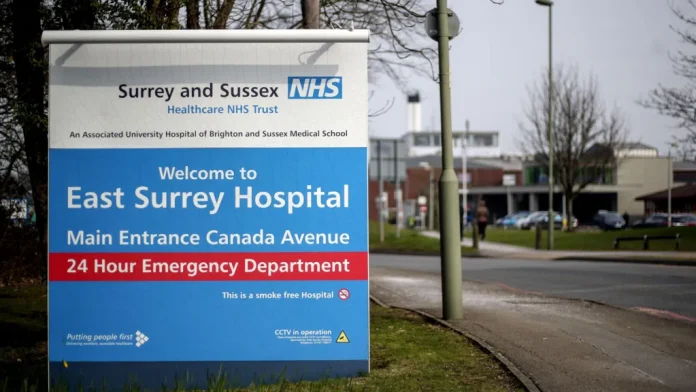
In Surrey, NHS Surrey Heartlands confirmed that three major trusts have declared critical incidents due to “significant ongoing pressure” on services. The affected trusts are Royal Surrey NHS Foundation Trust, Epsom and St Helier University Hospitals NHS Trust, and Surrey and Sussex Healthcare NHS Trust.
According to NHS Surrey Heartlands, rising cases of flu and norovirus, alongside increased staff sickness, have significantly reduced capacity across hospitals. At the same time, emergency departments are seeing a surge in complex attendances, particularly among older and frail patients affected by recent cold weather.
Hospitals are also struggling to discharge patients who are medically fit to leave but cannot do so due to limited availability of community care and social support. This has led to beds remaining occupied longer than necessary, further reducing the ability to admit new patients from A&E.
Critical incident declared in East Kent
Pressure is not limited to Surrey. East Kent Hospitals University NHS Foundation Trust has also declared a critical incident, citing sustained pressure at the Queen Elizabeth The Queen Mother Hospital in Margate.
The trust said its hospitals are experiencing exceptionally high demand driven by continued high admission rates and a large number of patients suffering from winter illnesses and respiratory viruses. Bed occupancy across the trust is currently at or near full capacity, leaving very limited room to admit additional patients requiring acute care.
Emergency departments are reporting extremely high attendance levels, prompting warnings that people attending A&E with non-life-threatening conditions could face very long waits.
Impact on operations and appointments
Dr Charlotte Canniff, joint chief medical officer of NHS Surrey Heartlands, said declaring a critical incident enables trusts to activate additional measures to maintain safe care during periods of extreme pressure.
She warned that some non-urgent operations, treatments, and outpatient appointments may need to be rescheduled so that hospitals can prioritise patients with the most urgent clinical needs. However, patients have been advised to continue attending appointments unless directly contacted, with cancer services and other urgent procedures continuing as planned.
Trusts in Kent echoed similar guidance, urging the public to consider alternative services such as GP practices, pharmacies, NHS 111, or urgent treatment centres for non-life-threatening conditions.
Hospitals affected by the incidents
The critical incidents affect a wide network of hospitals across Surrey and Kent. Facilities under pressure include Royal Surrey County Hospital, East Surrey Hospital in Redhill, Epsom Hospital, Sutton Hospital, Woking Community Hospital, Queen Elizabeth The Queen Mother Hospital in Margate, Kent and Canterbury Hospital, William Harvey Hospital in Ashford, and Medway Hospital, among others.
These hospitals serve large and diverse populations, meaning sustained pressure can have ripple effects across entire regions, particularly during peak winter periods.
A wider picture of winter strain on the NHS
The current situation reflects broader challenges facing the NHS each winter. Seasonal illnesses such as flu and norovirus typically drive higher hospital admissions, but this year the impact has been intensified by workforce sickness, delayed discharges, and rising demand in emergency departments.
Cold weather has also contributed to increased admissions among elderly and vulnerable patients, many of whom require complex care and longer hospital stays. Health leaders have repeatedly warned that without sufficient capacity in social care and community services, hospitals will continue to struggle to free up beds.
What patients should know
NHS officials are urging patients to use emergency departments only for serious or life-threatening conditions. Those needing urgent but non-emergency care are advised to seek help through NHS 111, local urgent treatment centres, GP services, or pharmacies where appropriate.
While critical incident declarations are serious, health leaders stress they are intended to ensure patient safety during periods of exceptional pressure. The situation will continue to be reviewed daily as trusts work to stabilise services and manage demand through the remainder of the winter.

