
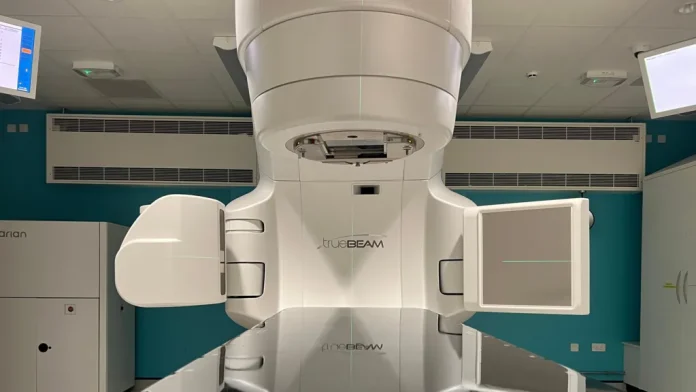
Plans to relocate the ageing Mount Vernon Cancer Centre could trigger one of the most significant expansions of cancer and acute hospital services across Hertfordshire, Bedfordshire and North London in decades. The proposal would see a new world-class cancer centre built alongside a rebuilt Watford General Hospital, while also extending radiotherapy and chemotherapy services to several regional hospitals, improving access, resilience and patient experience.
Mount Vernon Cancer Centre, currently based in Northwood, provides specialist cancer care to around 13,000 patients each year. However, years of concern over the condition of its buildings and the absence of on-site acute services have raised serious questions about its long-term sustainability. An independent review concluded that specialised cancer services could not continue safely at the current site, prompting NHS leaders to develop relocation proposals in consultation with patients and staff.
Under the plans, the core specialist services would move to a purpose-built cancer centre integrated with the new Watford General Hospital. This co-location would allow cancer care to be supported by modern accident and emergency services, critical care, diagnostics and surgical facilities, reflecting how complex cancer treatment increasingly depends on immediate access to a full acute hospital environment.
Alongside the main relocation, the proposals include expanding cancer services closer to where people live. A new radiotherapy unit could be established at either Lister Hospital or Luton and Dunstable Hospital, both of which currently lack on-site radiotherapy. If approved, this would significantly reduce travel times for patients in Bedfordshire and North Hertfordshire who currently have to travel long distances for treatment.
London hospitals are also expected to benefit. Facilities such as Northwick Park, Hammersmith and Hillingdon would see increased provision of chemotherapy or radiotherapy, creating a more distributed cancer care network across the region and reducing pressure on any single site.
NHS England’s East of England regional director Clare Panniker said Mount Vernon has an exceptional clinical team but facilities that no longer meet modern standards. She said the proposals would bring together strong services to create a centre of excellence capable of delivering high-quality, compassionate cancer care for decades, while retaining the expertise of existing staff.
West Hertfordshire Teaching Hospitals NHS Trust said the new facility would offer modern clinical space and significantly more capacity for innovation, research and training. The trust stressed that integrating cancer services into a major acute hospital site would better support advanced treatments that rely on rapid access to emergency and specialist care.
Local political leaders have broadly welcomed the proposals while raising concerns about timing. Watford mayor Peter Taylor said the relocation plans highlight the urgency of rebuilding Watford General Hospital, noting that although the project is considered shovel-ready, construction is not currently scheduled to begin until 2032. He argued that accelerating the rebuild should be a national priority.
Labour MP for Watford Matt Turmaine said the proposal makes strong clinical and economic sense, describing it as an opportunity to strengthen the case for the new hospital and deliver economies of scale. He said aligning the Mount Vernon move with the Watford rebuild could improve readiness and long-term value for the NHS and local communities.
The Department of Health and Social Care said it inherited a hospital building programme that was not deliverable or affordable but has now put forward a realistic funding plan and timetable for Watford General Hospital. The department confirmed that a public consultation on the future of Mount Vernon Cancer Centre will run from 19 January to 26 March, allowing residents, patients and staff to help shape the final decision.
If approved, the relocation would mark a major shift in how cancer care is delivered across the region. By combining a new flagship cancer centre with expanded local radiotherapy and chemotherapy services, NHS leaders hope to improve outcomes, shorten travel times, support future innovation and ensure cancer services are fit for the next generation.

