
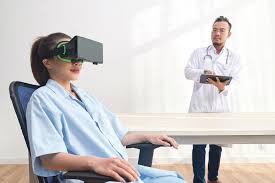
Some of the most transformative breakthroughs in medicine don’t happen in research labs or operating theatres; they often begin as innovative ideas. Project Morpheus, an initiative from the University of Malta, is one such example. What began as an idea during a visit to Silicon Valley has grown into an internationally recognized therapeutic platform for pain management, now seeking medical certification, patent protection, and global adoption.
From a Stanford Visit to the Birth of Morpheus
The journey of Project Morpheus started when Alexiei Dingli, an AI professor at the University of Malta, visited Stanford University in California. While there, he saw a basic virtual reality (VR) system used for burn patients to reduce pain by providing distraction. However, Dingli realized the system’s limitations: it was static, non-responsive, and didn’t adapt to the patient’s emotional state.
Determined to improve upon this concept, Dingli wondered: What if artificial intelligence (AI) could be used to dynamically adjust the VR experience based on the patient’s current condition? This question became the foundation for Project Morpheus, which officially launched in 2018.
The Science Behind Morpheus
At its core, Project Morpheus draws from the Gate Control Theory of Pain, which posits that pain perception can be influenced by emotional and cognitive factors. The system combines VR technology with biofeedback mechanisms such as a smartwatch that monitors vital signs like heart rate. If the system detects distress or disengagement, it adjusts the virtual environment accordingly. This real-time feedback loop powered by affective computing algorithms sets Morpheus apart from other distraction-based therapies, making it a more personalized and effective treatment.
Moving From Theory to Clinical Impact
Unlike many academic projects that remain theoretical, Morpheus aimed from the start to have a clinical impact. The project quickly transitioned from prototype to a viable clinical tool, with funding from various sources, including the Vodafone Foundation and Xjenza Malta. These investments allowed the platform to evolve through different stages, building from research into a product that could potentially be used in hospitals.
A major milestone came when the team filed for a patent that covers the integration of biofeedback, AI, and immersive VR design. This patent not only secures the intellectual property but also opens doors for licensing, investment, and global deployment. Moreover, Morpheus is in the process of obtaining Class I Medical Device Registration under European Union regulations, a crucial step for clinical use across the EU.
International Recognition and Future Goals
Since its inception, Morpheus has gained global recognition. In 2024, the platform was featured at MedTech Malta, where it was introduced to a regional audience. The following year, Morpheus showcased a fully operational version at MedTech’s Start-Up Village, attracting interest from health-tech investors, clinicians, and regulators.
Morpheus’ academic credentials were further solidified by presentations at two major conferences in Japan, where the technical and clinical findings were presented. Later in 2025, the team will participate in the World Health Expo in Dubai, engaging in workshops and discussions aimed at securing funding, forming partnerships, and preparing for an international rollout.
The Role of Morpheus in Modern Healthcare
As Dingli himself noted, “Morpheus doesn’t aim to replace doctors or drugs, but to support them.” The platform offers pain relief to children, allowing them to escape their discomfort and feel a sense of control during treatment. It represents not just an innovation in pain management but a testament to the power of interdisciplinary collaboration in healthcare technology.
The development of Morpheus highlights how a small country like Malta can make significant contributions to global healthcare. As Dingli aptly put it, the journey from academia to international recognition is never easy, but Morpheus has proven that it is possible and that the effort is worth every step.

