
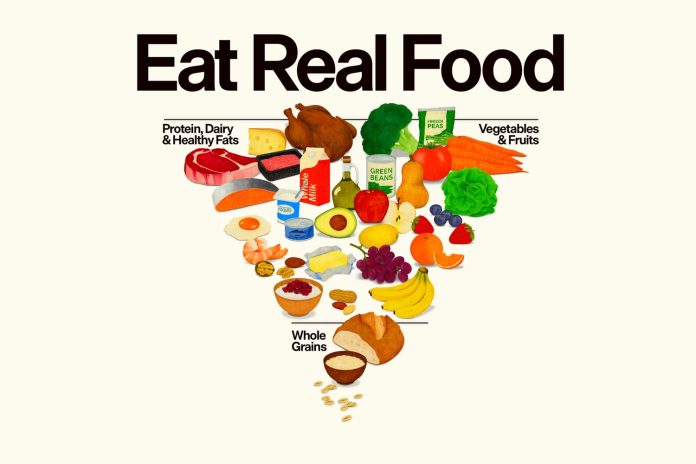
The recent release of the 2025–2030 Dietary Guidelines for Americans marks a significant global shift towards prioritizing whole foods, adequate protein, and reduced reliance on ultra-processed products. As this international trend gains momentum, Nigeria has recognized the growing consensus that food systems and consumption patterns are fundamental to public health. The country is increasingly focusing on nutrition as a central pillar of population health, which has been reflected in the National Health Sector Renewal Investment Initiative (NHSRII).
Global Nutrition Shift: A Call for Better Food Quality
The updated U.S. guidelines emphasize real food, with a strong focus on minimally processed foods, hydration, and balanced diets. For Nigeria, this shift is not about adopting another country’s dietary specifics but rather recognizing the global move toward disease prevention through better food environments. This approach aligns with Nigeria’s ongoing efforts to tackle both undernutrition and the rising burden of diet-related non-communicable diseases, such as obesity, diabetes, and cardiovascular disease.
Nigeria’s Nutrition Challenges
Nearly one-third of Nigerian children under five are stunted, and urban diets are increasingly dominated by sugar-sweetened beverages and processed foods. These trends come with significant costs to households, health services, and the overall economy. As these issues worsen, the importance of nutrition in shaping long-term health and economic resilience has become clear.
The Role of NHSRII in Nutrition and Health
The NHSRII focuses on prevention, population health, and systemic reform alongside service delivery and health financing. This initiative places a greater emphasis on coherent food policies that encourage healthier choices through regulation, education, and enforcement, rather than solely relying on individual behavior changes.
Policy Measures: Excise Duty on Sugar-Sweetened Beverages
In line with global best practices, Nigeria has initiated the review of an excise duty on sugar-sweetened beverages. Similar measures have been successfully implemented in South Africa, where the Health Promotion Levy on sugary drinks has led to reduced consumption of high-sugar beverages. This policy tool aims to rebalance food environments and protect consumers from excessive sugar intake, particularly among children and adolescents.
Strengthening Regulatory Enforcement
The National Agency for Food and Drug Administration and Control (NAFDAC) plays a central role in regulating the safety, labelling, and quality of food products in Nigeria. Recent updates to food labelling regulations ensure that nutritional information is clearly disclosed on packaged foods, aligning Nigeria with international best practices. However, consistent enforcement of these regulations remains crucial to ensuring public health and consumer trust.
The Importance of Local, Minimally Processed Foods
Nigeria’s food heritage, which includes yam, cassava, millet, sorghum, and fish, offers a solid foundation for healthier diets. Locally available, minimally processed foods support balanced nutrition and food-system resilience, promoting the consumption of whole foods that align with the principles of the Dietary Guidelines for Americans.
A Holistic Approach to Nutrition Policy
Nutrition policy cannot succeed in isolation. School feeding programs, agricultural incentives, and trade policies all play a role in shaping dietary choices. By aligning these efforts with health promotion goals, Nigeria can foster a healthier society. Public health campaigns that celebrate Nigerian food culture while promoting balanced diets and moderation in sugar and salt consumption will be crucial in shifting dietary habits for the long term.
A Nutrition Reset for Nigeria
The 2025 nutrition reset calls for a new approach, one rooted in science and tailored to Nigeria’s local food systems. Strengthening the enforcement of existing regulations, investing in public education, and supporting preventive care will help reduce the burden of disease and build a healthier, more productive society. This approach is not just about following global trends but about empowering Nigerians to make healthier choices and ensuring that public health is at the forefront of national priorities.

