
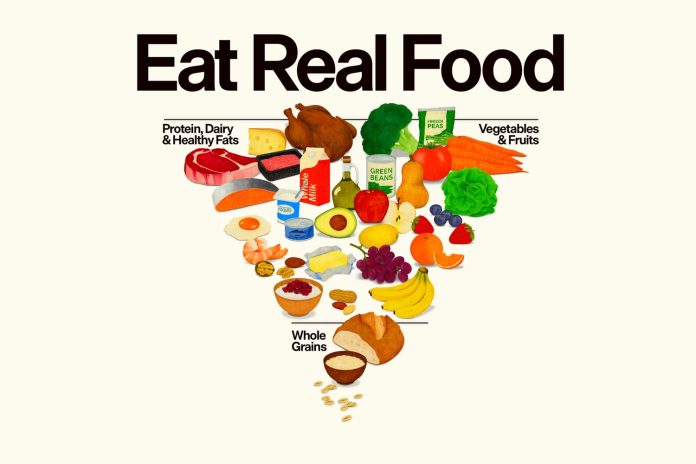
The U.S. Department of Health and Human Services (HHS) and the U.S. Department of Agriculture (USDA) have unveiled the Dietary Guidelines for Americans 2025–2030, urging a nationwide shift toward whole foods, reduced reliance on ultra-processed foods, and age-adjusted dietary patterns designed to promote health across the lifespan.
A Focus on Whole Foods and Protein
The new guidelines highlight the importance of consuming whole foods with adequate protein intake. This shift comes in response to growing concerns about the impact of highly processed foods on the body, particularly their disruption of the gut microbiome, a key driver of health.
Neurosurgeons Weigh In
Dr. Alexander A. Khalessi, Chair of the Washington Committee for the American Association of Neurological Surgeons, expressed strong support for the new guidelines, noting the significant role of nutrition in the success of medical treatments. He emphasized that poor nutrition can exacerbate medical conditions, such as obesity-related spine disease, stroke risk, and compromised treatment outcomes in patients with brain tumors.
Dr. Khalessi also stressed that the guidelines’ focus on nutrition is especially critical for the neurological community, where poor dietary habits contribute to degenerative spine disease, cerebrovascular vulnerability, and hinder wound healing and pain management. He pointed out that nutrition serves as the foundation for modern medical progress.
Impact on Pediatric Neurosurgical Conditions
The guidelines also address the importance of maternal and infant nutrition, with neural tube defects cited as a key example of how nutritional deficiencies, like insufficient folic acid, can directly contribute to pediatric neurological conditions.
A Federal Priority for Public Health
The Dietary Guidelines for Americans (DGA) serve as the primary nutrition policy tool of the federal government, influencing various programs such as school meals, military food programs, nutrition labeling, and food assistance initiatives. The DGA is also a vital resource for health professionals, researchers, and families in making informed dietary choices to support long-term health.
Collaboration Across the Medical Community
Dr. Khalessi also thanked CMS Administrator Mehmet Oz and FDA Commissioner Marty Makary for their leadership in this initiative, highlighting the importance of collaboration between public health experts, medical professionals, and policy makers to strengthen preventive care and improve the long-term health of all Americans, particularly in areas of brain and spine health.
With this new emphasis on nutrition, the 2025-2030 Dietary Guidelines for Americans aim to provide a comprehensive framework for improving the nation’s healthspan and lifespan, fostering a healthier future for individuals of all ages.

