
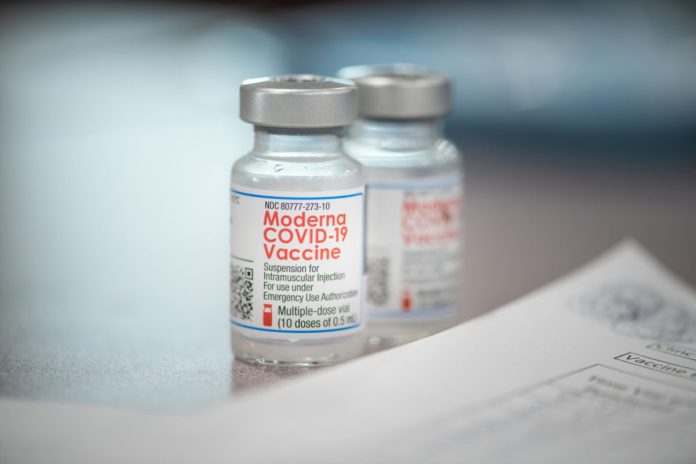
Bayer sues Pfizer Moderna mRNA patents in a surprise legal action tied to 1980s agricultural research. On Tuesday, Bayer filed lawsuits in Delaware federal court against Pfizer, BioNTech, and Moderna. The company claims they used mRNA stabilization technology first developed by Monsanto to create pest-resistant crops.
Specifically, Bayer alleges this decades-old innovation helps protect fragile mRNA in vaccines. As a result, the company says the vaccine makers infringed its patent. However, Bayer does not produce any COVID-19 shots. Therefore, it is not asking courts to stop vaccine production—only to award financial damages.
Additionally, Bayer sued Johnson & Johnson the same day in New Jersey. That case involves a different patent linked to DNA-based manufacturing. J&J stopped selling its vaccine in the U.S. in 2023. Nonetheless, Bayer argues past use still violates its intellectual property rights.
Moderna confirmed it knows about the lawsuit and will defend itself. Meanwhile, Pfizer, BioNTech, and J&J have not yet responded publicly. These new cases add to an already crowded field of vaccine-related patent disputes. For example, Moderna itself sued Pfizer and BioNTech in 2022 over similar mRNA claims. That case is still ongoing.
Importantly, Bayer sues Pfizer Moderna mRNA patents despite never developing a vaccine. The company’s argument rests on work Monsanto did in the 1980s. Scientists there modified mRNA to make it more stable in plants. Bayer now contends that vaccine developers later used similar methods for human use.
Financially, the timing still matters. In 2024, Pfizer and BioNTech made $3.3 billion from Comirnaty sales. Moderna earned $3.2 billion from Spikevax. Although these figures are far below pandemic highs, they represent significant revenue. Consequently, even a small royalty could mean billions in damages.
Moreover, this case tests a novel legal theory. Agricultural patents rarely appear in pharmaceutical lawsuits. Therefore, courts must now decide if crop science truly applies to human vaccines. On one hand, mRNA behaves differently in plants versus people. On the other hand, core stabilization principles might overlap.
Legal experts say the outcome could reshape how companies license old patents. If Bayer wins, more firms may seek royalties from unrelated industries. However, critics warn this could stifle innovation by reviving dormant claims.
In short, Bayer sues Pfizer Moderna mRNA patents to claim credit—and compensation—for foundational science. The company believes its early work enabled today’s mRNA vaccines. Whether courts agree remains to be seen.
READ: Trump Administration Freezes $10B in Childcare and Family Funds

