
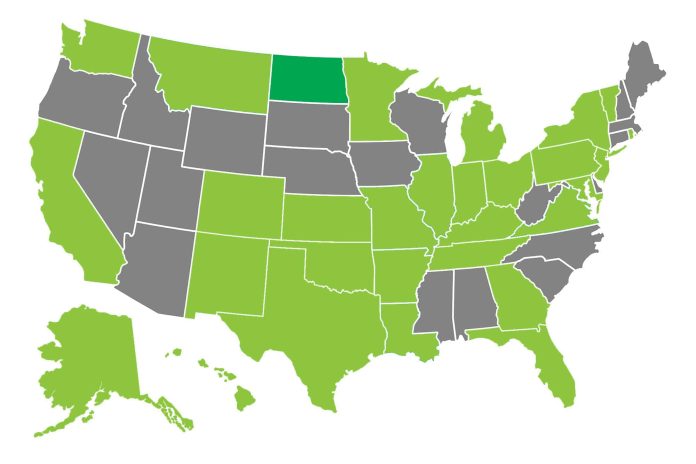
In 2025, measles cases are on the rise in the United States, with significant outbreaks spreading across various states. Public health experts are increasingly concerned as these outbreaks lead to hospitalizations and deaths, especially among unvaccinated children. The rise in measles cases comes after years of declining vaccination rates, and it highlights the vulnerability of both individuals and communities when immunity levels drop. This article delves into the current state of measles in the U.S., the contributing factors to the resurgence, and the public health efforts aimed at preventing further spread.
The Current Measles Surge
Measles, a highly contagious airborne virus, has seen a dramatic uptick in cases in the United States this year. Following a large outbreak in West Texas that spiked cases earlier in 2025, the U.S. is now facing its second major surge. This new wave of infections is spreading as quickly as the initial outbreak in the spring, with significant outbreaks reported in Utah, Arizona, and South Carolina. While Texas declared the end of its outbreak in mid-August, other states are experiencing continued growth in case numbers.
The resurgence of measles has raised alarms across the medical community, as the disease can lead to severe health consequences, especially for young children and those who are not vaccinated. The fact that the virus has spread so rapidly in recent months is a reminder of the importance of maintaining high vaccination rates to protect public health.
What Is Measles and Why Is It Dangerous?
Measles is a highly contagious disease caused by a virus that primarily affects children. The symptoms usually begin with fever, cough, runny nose, and watery eyes, followed by a distinctive red rash of spots. While many people recover from measles without major complications, the disease can be fatal, especially for children who are unvaccinated.
About 1 in 5 unvaccinated individuals who contract measles in the U.S. will require hospitalization due to complications, according to the Centers for Disease Control and Prevention (CDC). The disease can cause pneumonia, swelling in the brain (encephalitis), and even death. Statistically, up to 3 in every 1,000 children who get measles die from complications such as respiratory and neurological issues.
The current outbreak in the U.S. is alarming because it represents a return of a disease that had been officially declared eliminated in the country back in 2000. Measles was considered eradicated due to the success of the measles, mumps, and rubella (MMR) vaccination program, which was effective in reducing the incidence of the disease. However, the recent increase in cases is a stark reminder that even diseases that are preventable can make a comeback when vaccination rates fall.
Falling Vaccination Rates and Increased Vulnerability
The rise in measles cases in 2025 can be attributed to several factors, the most significant of which is declining vaccination rates. Although the CDC recommends that children receive two doses of the MMR vaccine (the first between 12 and 15 months and the second between 4 and 6 years), recent data shows a worrying trend. MMR vaccine completion rates among kindergarteners have decreased in recent years, falling from 95.2% during the 2019-2020 school year to 92.7% in the 2023-2024 school year.
This drop in vaccination rates has left approximately 280,000 children at risk of contracting measles. The CDC’s target vaccination rate is 95% to ensure community immunity and prevent outbreaks, but the current rate among kindergarteners is not enough to keep the disease from spreading.
In addition to lower vaccination rates, increased global travel has also contributed to the resurgence of measles. Unvaccinated individuals who travel abroad to countries where measles is still prevalent can bring the virus back to the U.S., triggering outbreaks. This was the case in 2019 when measles cases surged in the U.S. due to imported infections, particularly in underimmunized communities, such as those in Orthodox Jewish neighborhoods in New York.
Health Implications for Unvaccinated Children
Measles disproportionately affects unvaccinated children, who are at higher risk for severe complications. Without vaccination, children are vulnerable to the virus and its potentially deadly consequences. Pneumonia, which can be caused by a measles infection, is a leading complication, particularly in young children. In some cases, children may develop encephalitis, which can cause permanent brain damage or death.
The virus’s ability to spread rapidly is another reason why it’s so dangerous. Measles can be transmitted by air, meaning that it can spread through coughing, sneezing, or even breathing near someone who is infected. This level of contagiousness makes it incredibly difficult to control outbreaks once they occur, especially in areas where vaccination rates are low.
A Global Perspective: Measles Elimination at Risk
In 2000, the United States declared measles eliminated due to the high vaccination rates achieved through public health initiatives. However, the recent uptick in cases threatens to reverse this hard-won achievement. If measles continues to spread for an extended period, the U.S. risks losing its measles elimination status, which would be a significant setback in global efforts to eradicate the disease.
Countries around the world are monitoring outbreaks closely, as measles remains a global health concern. The CDC and World Health Organization (WHO) have emphasized the importance of high vaccination rates to prevent the spread of measles and other preventable diseases. The U.S. must continue to work toward meeting the 95% vaccination threshold to protect the population, especially vulnerable children.
Preventing the Spread of Measles
The good news is that measles is entirely preventable with the MMR vaccine. The vaccine is safe and highly effective: one dose is approximately 93% effective at preventing measles, while two doses provide about 97% protection. The CDC recommends that all children receive the MMR vaccine, and it is crucial for parents to ensure their children are vaccinated on schedule.
In addition to vaccination, public health campaigns are essential to raising awareness about the importance of immunization. Health authorities are working to increase vaccination coverage and reduce misinformation that has led to vaccine hesitancy in some communities.
A Call to Action for Public Health
The resurgence of measles in the U.S. serves as a powerful reminder of the importance of vaccination in protecting public health. With measles cases rising and the threat of complications increasing, especially among unvaccinated children, the need for a robust vaccination strategy has never been clearer.
Parents, healthcare providers, and policymakers must work together to ensure that vaccination rates increase and that communities are protected from preventable diseases. As we move forward, it is essential to continue prioritizing public health initiatives that promote vaccination, safeguard vulnerable populations, and maintain the country’s hard-won status of measles elimination.

