
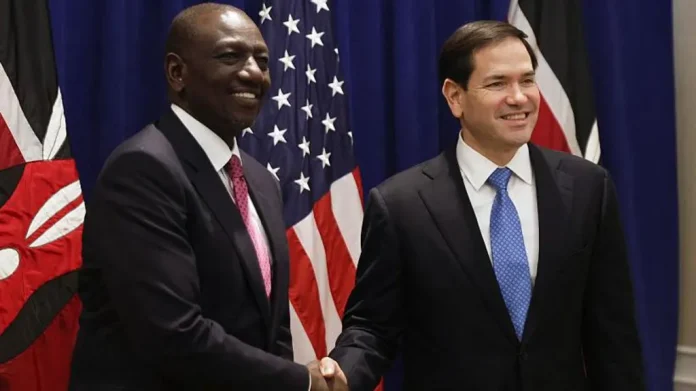
Kenya signed a five-year health agreement with the United States. The $2.5 billion deal aims to combat infectious diseases in Kenya. It marks the first such pact since the Trump administration reformed US foreign aid. The agreement could lead to similar pacts with other African countries aligned with US foreign policy goals.
The deal seeks to improve transparency and accountability in health funding. However, it has raised concerns about the US gaining real-time access to sensitive health data. Kenya’s Health Minister Aden Duale reassured the public, stating that the US would only receive de-identified and aggregated data.
In January, Trump froze foreign aid. He restructured the US Agency for International Development (USAID) and reduced billions in aid to poorer nations. This led to a sharp decline in the availability of essential drugs in developing countries.
Under the deal, the US will contribute $1.7 billion, while Kenya will cover $850 million. The focus areas include HIV/AIDS, malaria, tuberculosis, maternal care, and polio eradication. The agreement will also strengthen infectious disease response and preparedness.
US Secretary of State Marco Rubio called the deal a landmark agreement. He praised Kenya’s leadership, especially its role in combating gang violence in Haiti through a UN-backed mission. Rubio also highlighted the US’s preference for government-to-government aid rather than using NGOs. This approach aims to improve fund management and reduce waste.
Kenya’s President William Ruto reassured the public that the funds would modernize hospitals and improve the health workforce. He emphasized that the money would be spent efficiently, effectively, and accountably.
However, some Kenyans remain concerned about data privacy. They fear the deal could give the US access to personal health records like HIV status, tuberculosis treatment, and vaccination data. Lawyer Willis Otieno and whistleblower Nelson Amenya have urged the government to release the full agreement for transparency.
Minister Aden Duale dismissed these concerns, insisting that Kenya’s health data is secure and protected by Kenyan laws. He stressed that health data is a national strategic asset and will be handled carefully.
US officials have not yet commented on the data concerns. Still, other African countries may sign similar agreements by the end of the year. This shift in the US foreign aid strategy aims to create closer partnerships with governments instead of relying on intermediaries.

